Today I went for a walk in Bangor town centre, and by looking at the shops windows I could not resist all the sales and I went in. Two hours later I was driving home with the car full of shopping bags containing clothes, bags and accessories I could not resist to buy. My walk was with the only purpose of having a bit of fresh air after all week full of lectures and University work but I ended up buying so much products I did not even need, AGAIN!!
After realising the amount of money I spent and all the new clothes and bags that do not even fit in my wardrobe anymore, I decided to research more on the possible reasons behind this sort of behaviour. I found different research papers that highlighted how the consumer compulsive buying is an important area of inquiry in consumer behaviour research.
Specifically, exploring negative consumption phenomena could provide modified or new perspectives for the study of positive consumption behaviours. Previous research on compulsivity has focused on consumer personality traits that are linked to compulsive behaviour. For example, Faber and O’Guinn (1992) explained that, compared to other consumers, compulsive buyers are lower on self-esteem and higher on fantasy and materialism.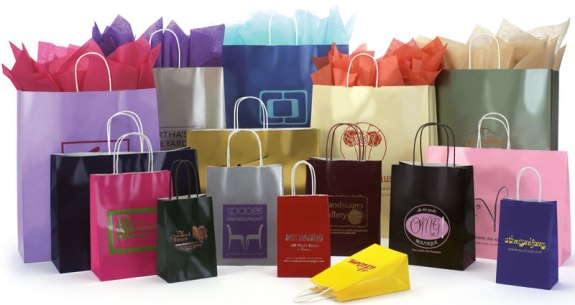
Moreover, another study on fashion orientation and consumer impulsive buying suggest a link between the interest of fashion and compulsive buying. In this study they examined 267 women who completed a questionnaire in Seoul and the results of this study showed that fashion interest significantly influenced compulsive buying directly and also indirectly by influencing credit card use. It is not the case that compulsive buying is a new phenomenon but it is that case that individuals with such a compulsion have it far more easy and the main reason for this, is the availability of credit. In fact, when the buyer had only the money in his/her pocket, he/she could not spend beyond that while now is so easy with the case of unsecured credit (Hye‐Jung Park, Leslie Davis Burns ,2005)
Clinically speaking compulsive buying is seen as a chronic, repetitive purchasing that becomes a primary response to negative events or feelings (O’Guinn and Faber 1989).
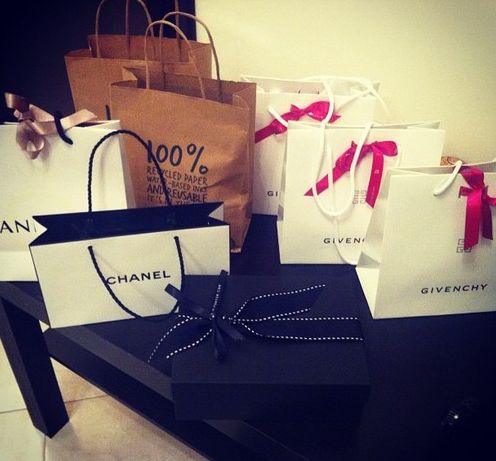 Compulsive buyers tend to buy excessive number of products or clothes they do not need and they sometimes cannot even afford (Koran et al,2006).
Compulsive buying is different from impulse buying: impulse buying focuses on a specific product at a particular moment and it is temporary, while compulsive buying is an enduring behaviour that focuses on the process of buying, not the purchases themselves (Dittmar, 2005)
However, I have realised that this is not my case, as this episodes are not very common and at the end of the day all the things I buy I end up wearing or using it anyway! It is important though to understand the link between compulsive buying and consumer behaviour and how it can impact marketing strategies and advertisements.

This conceptual framework is easy to explain to understand the reasons behind impulse buying. Both of the personality factors and store environment factors are combined together to create two important personal tendencies (shop enjoyment tendency and impulse tendency) that influence the impulse buying behaviours (Saad and Metawie, 2015)
In conclusion, I realised that there could be many possible explanations for my behaviour the other day, and that maybe it was just a way to relax and thinking about what to wear in the weekend. After all, it was my birthday week !
Sonja Milano
 InstaConsumer